– How to Choose the Right Plant Machinery for Your Construction Project

Selecting the right plant machinery for a construction project is pivotal to safety, efficiency and budget. With a wide range of options—from heavy plant machinery to small equipment—the decision can seem daunting. This guide, written from an expert perspective, walks you through key considerations to help you choose the most suitable equipment for your project.
Understand the Project Requirements
Begin by detailing the project scope, timelines and site conditions. Consider:
- Load and reach requirements: What weights will you lift, and how high or far will you need to operate?
- Ground conditions: Will you be working on uneven terrain, soft ground, or confined spaces?
- Access and space constraints: Are there narrow entry points, low ceilings, or restricted manoeuvrability?
- Operational patterns: Will the equipment be used for short bursts or long, continuous periods?
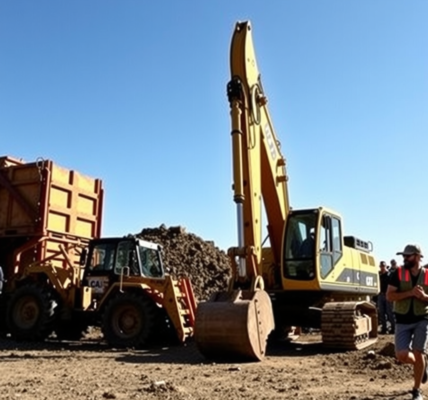
Clear findings will guide you toward the correct category of plant machinery for sale or hire, whether you’re looking at heavy plant machinery or more compact options.
Assess Site Access and Logistics
Site access often dictates the feasibility of certain machines. When evaluating access:
- Turning radius and width: Some machines cannot navigate narrow lanes or sharp turnings.
- Transportability: Can the plant be delivered easily, or will on-site assembly be required?
- Parking and storage: Do you have on-site space for machinery when not in use?
- Noise and emissions: Are there restrictions on noise levels or diesel emissions?
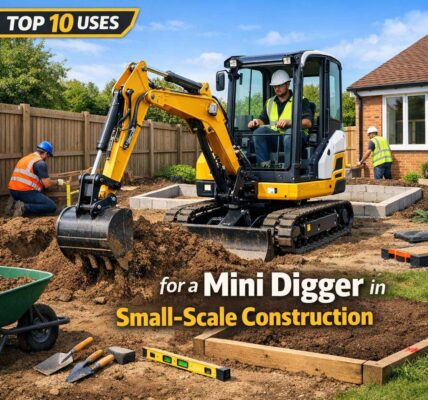
If access is limited, you might prioritise compact, versatile machines or second hand plant and machinery for sale that are easier to transport and reposition.
Plant machinery drives efficient construction projects, delivering versatility and reliability on every site. From compact loaders to heavy excavators, our equipment keeps timelines tight and budgets in check. Whether renting or purchasing, we support performance, safety, and uptime across diverse applications. For more information visit https://www.sjhallplant.com.
Discover reliable plant machinery solutions tailored to your project needs. Our fleet includes excavators, loaders, and aerial platforms, all backed by flexible rental terms and expert support. Whether you’re on a tight deadline or a long-term build, we deliver efficiency and uptime. Visit www.sjhallplant.com for competitive quotes and real-time availability, and explore how our precision, safety, and maintenance programs keep your site productive with minimal downtime. Your project, powered by the right plant machinery.
Match Capacity with Demand
Equipment should be powerful enough to complete tasks efficiently without excessive idle time. Consider:
- Lifting and digging capacities: Ensure the machine’s rated capacity aligns with the heaviest loads or deepest cuts.
- Reach and outreach: Boom lengths, jib options, and stabiliser layouts affect performance on specific jobs.
- Cycle times and productivity: Faster equipment reduces project duration but may incur higher rental costs or operating requirements.
Balancing capability with cost is essential. In some cases, a smaller, more versatile unit used in conjunction with attachments can outperform a single high-capacity machine on a complex site.
Consider Attachments and Versatility
Modern plant machinery for sale often offers a range of compatible attachments that dramatically expand usability. Evaluate:
- Quick-change systems: How easily can buckets, breakers, grapples, or drills be swapped?
- Compatibility: Are attachments readily available, and do you have dedicated operators trained for them?
- Multifunctional units: Would a compact machine with multiple attachments reduce the need for several dedicated machines?
Choosing machinery with a broad attachment ecosystem can improve utilisation rates and reduce capital expenditure.
Evaluate Operator Availability and Skills
The best machine on paper can underperform if the operator isn’t skilled. Plan for:
- Training requirements: Ensure operators are certified and familiar with the specific model and controls.
- Availability of skilled staff: Do you have access to trained personnel, or will you rely on hire operators?
- Safety with machinery and plant: Consider features such as ROPS/ROPS-F, seatbelts, cameras, and proximity sensors to reduce risk on site.
If your project has tight deadlines, you may prefer machinery with intuitive controls and robust safety features to minimise downtime from operator error.
Plant machinery empowers efficiency on every job site, delivering reliable performance and minimized downtime. For expert support and rental options, explore our fleet and services at https://www.360uw.com.au/pe/ to maximize productivity today. Rentals help control costs and timelines.
FAQ: Plant Machinery
What is plant machinery?
Plant machinery refers to heavy equipment and machines used in construction, demolition, and related industries. This includes excavators, bulldozers, loaders, cranes, skid steers, and many other specialised machines that perform tasks such as digging, lifting, material handling, and site preparation.
What types of plant machinery do you rent?
We offer a wide range of rental options, including:
- Excavators (mini, compact, and standard)
- Excavator attachments (hydraulic breakers, thumbs, augers)
- Skid steer loaders and track loaders
- Wheel loaders
- Bulldozers
- Cranes and lifting equipment
- Dumpers and articulated dump trucks
- Compactors and rollers
- Piling rigs and drills
- Forklifts and telehandlers
- Concrete equipment (mixers, pumps, compressors)
Do you sell plant machinery as well as rent?
Yes, we both sell and rent plant machinery. We offer new and used machines, along with parts and service support to keep equipment running smoothly.
How do I determine which plant machinery is right for my project?
Consider:
- Project size and scope
- Ground conditions and terrain
- Required reach, lifting capacity, and depth
- Mobility and transport constraints
- Operator availability and trainingIf you’re unsure, our equipment specialists can help assess your needs and recommend suitable models.
What are the rental terms and typical contract durations?
We offer flexible terms, including daily, weekly, monthly, and long-term rentals. Contracts can be tailored to project timelines, with options for maintenance-inclusive packages and guaranteed availability.
What maintenance and service are included with rental?
Maintenance packages may include routine servicing, inspections, and on-site support. Availability of 24/7 emergency service depends on location and rental plan. We typically provide trained technicians and access to spare parts as part of higher-tier packages.
Do you provide operators for the machinery?
Yes, we can supply qualified operators for many models, depending on location and project requirements. Operator training and certification are ensured in line with local regulations.
What safety training or certifications are required to use plant machinery?
Operators typically need appropriate certifications or licenses as required by local regulations. We also offer safety briefings, inductions, and onboarding to ensure compliance and safe operation on site.
What about delivery and take-down?
We offer delivery and pickup services, with scheduling options to fit your project timeline. We can also arrange on-site installation, set-up, and commissioning for certain equipment types.
How is the price determined for plant machinery rental or purchase?
Prices depend on the model, condition (new or used), rental duration, and any add-ons (attachments, safety features, maintenance packages). For purchases, price is based on model, year, hours of use, and market value.
What inspections and safety checks are performed on delivery?
Before delivery, equipment undergoes a pre-delivery inspection to verify fluid levels, safety devices, and functional controls. A written handover report is provided, and operators are briefed on site-specific safety procedures.
What accessories or attachments are available for plant machinery?
Common attachments include hydraulic breakers, grapples, augers, rippers, couplers, forks, traps, and auger drives. Availability depends on the machine model.
How do I request a quote or reserve equipment?
You can request a quote or reserve equipment via our website contact form, phone, or email. Provide project location, dates, required models, and any attachment needs to receive a tailored quote.
What payment options do you accept?
We accept major credit cards, bank transfers, and purchase orders for approved customers. Financing options may be available for purchases through our partners.
What is your return or cancellation policy?
Cancellations and refunds depend on the rental term and the specific terms of the rental agreement. Short-notice changes may incur fees. Please review the contract for precise terms.
Do you offer maintenance and spare parts support after purchase?
Yes, we provide ongoing maintenance, service plans, and access to spare parts to minimise downtime. Our team can guide you on service intervals and parts stocking.
How do you ensure compliance with local regulations and safety standards?
We follow industry safety regulations, provide operator training, and supply equipment with up-to-date safety decals, alarms, and guarding. We also assist with site-specific risk assessments.
If you have a specific project or machine in mind, tell us the details and we’ll tailor recommendations and a quote for your plant machinery needs.
Power Source and Emissions
Consider whether you will use diesel, electric, or hybrid plant machinery. Key factors include:
- Site electrification: Is there an on-site power supply or charging infrastructure?
- Emissions regulations: Are there local restrictions on exhaust emissions or noise?
- Fuel costs and availability: What are the running costs, and how accessible are fuel or charging points?
Electric and hybrid options are increasingly common for urban or sensitive sites and can align with sustainability goals.
Budget, Procurement Strategy, and Availability
Your procurement strategy shapes equipment selection. Options include:
- Plant machinery for sale: Buying can be cost-effective for long-term use or high utilisation.
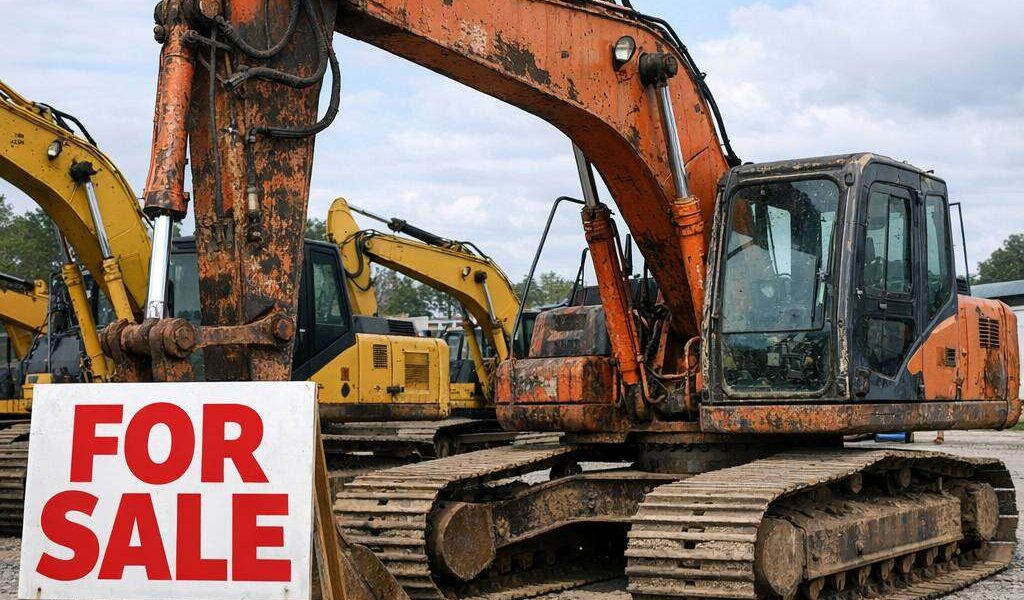
- Second hand plant and machinery for sale: Offers significant savings but requires thorough due diligence (service history, wear, and any refurbishments).
- Used plant equipment for sale: A middle ground between new and second-hand, often with warranties or service packages.
- Plant machinery sales UK: Local dealers may provide bundled maintenance, parts support, and on-site delivery, reducing downtime.
- Short-term rental: For peak workloads or project spikes, renting can be cost-efficient and flexible.
- Long-term leasing: A compromise between ownership and rental, with predictable payments and upgrade options.
When assessing value, perform a total cost of ownership analysis, including purchase price, maintenance, transport, fuel, insurance, and potential downtime.
Inspect and Verify Before Purchase or Hire
Whether buying or renting, due diligence is essential. Steps include:
- Service history and inspection: Review maintenance records, hydraulic systems, tracks or tires, and wear parts.
- Visual and functional checks: Look for leaks, unusual vibrations, or misalignment. Run through the machine’s cycles and verify controls respond correctly.
- Compliance and documentation: Confirm serial numbers, safety certifications, and that the machine meets current UK regulations.
- Test run: If possible, test the equipment on a controlled site or at the dealer to validate performance.
If you are considering items like used plant equipment for sale or second hand plant and machinery for sale, insist on a thorough inspection and, where feasible, a short trial period.
Discover reliable plant machinery for construction projects, backed by expert rental and purchase options. Our ranges cover excavators, loaders, and more, designed for efficiency and safety. For valuation guidance, see the resource below: https://www.gov.uk/guidance/how-non-domestic-property-including-plant-and-machinery-is-valued
Plan for Long-Term Spares and Support
Maintenance and parts availability can make or break a project timeline. Explore:
- Local after-sales support: Is there a nearby service workshop or mobile technician?
- Parts availability: Are common wear parts readily procurable?
- Maintenance packages: Are there inclusive service agreements, warranties, or optional upgrades?
If you’re working within the UK, look for plant machinery sales UK partners who can provide rapid parts delivery and dependable service packages.
Environmental and Social Considerations
Increasingly, projects are assessed on sustainability and social impact. When choosing plant machinery, consider:
- Fuel efficiency and emissions: Prioritise machines with better fuel economy and lower emissions where possible.
- Noise reduction: Identify low-noise models for sensitive or urban sites.
- Reusability and end-of-life plans: Consider the potential for selling or recycling equipment after the project concludes.
Final Thoughts
Choosing the right plant machinery for your construction project hinges on a clear understanding of site conditions, project demands, and available procurement options. By evaluating capacity, versatility, operator readiness, power choices, and total cost of ownership, you can select equipment that delivers reliability, safety and value. Whether you’re exploring plant machinery for sale, second hand plant and machinery for sale, or used plant sales UK offerings, a disciplined approach will help you make the best choice for both performance and budget.