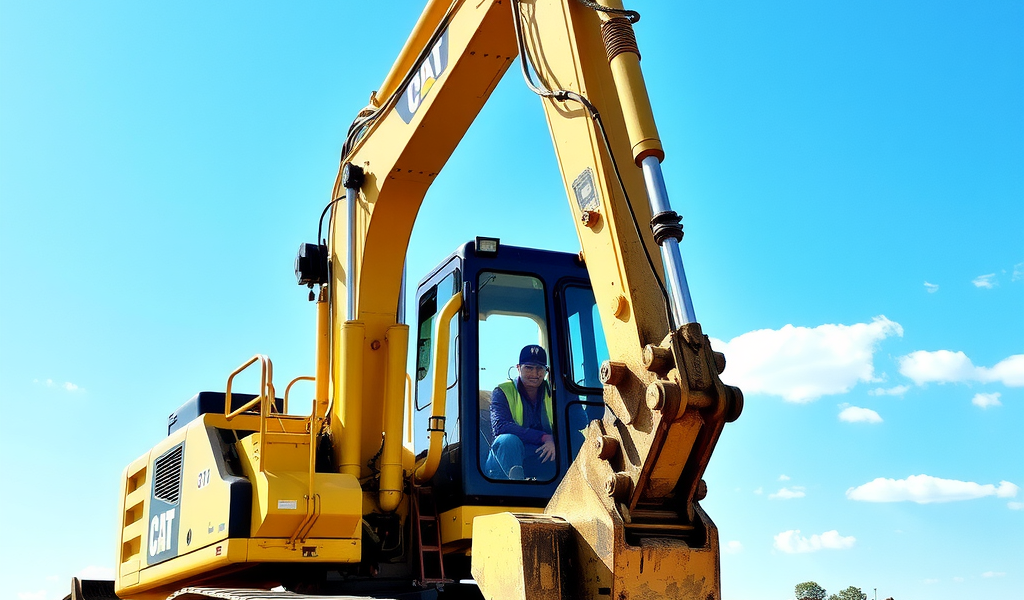

In the ever-evolving landscape of construction, the decision to rent or purchase plant equipment is critical for project success and operational efficiency. Both options present distinct advantages and challenges, and understanding these can help businesses make a more informed choice. This comprehensive guide will dive into the nuances of renting versus buying plant equipment, allowing you to assess the right solution for your needs.
Understanding Your Needs
Before delving into the pros and cons of renting and buying, it is essential to evaluate your specific needs and project demands. Consider the following factors:
- Duration of Use: How long will you require the equipment? Short-term projects may lend themselves to renting, while long-term needs might favour purchasing.
- Financial Capability: What can your budget accommodate? An upfront purchase requires significant capital, whereas renting allows for flexible payments.
- Type of Work: The nature and scale of your projects can dictate whether certain machinery should be owned outright or rented when needed.
The Benefits of Renting Plant Equipment
When considering plant and machinery sales, it’s crucial to include an analysis of the benefits of renting. Here are several factors that make renting an attractive option:
Flexibility
Renting plant machinery offers unparalleled flexibility. You can easily scale your operation by acquiring different types of plant equipment based on your project requirements. This is particularly useful for businesses that undertake a variety of projects with varying demands.
Cost-Effectiveness
For short-term projects, renting can be more cost-effective than purchasing. The initial outlay is significantly lower, and you avoid costs associated with maintenance and depreciation of the machinery. This allows for funds to be allocated elsewhere in your business.
Access to the Latest Technology
The construction industry is continually evolving, with advancements in technology leading to more efficient and environmentally friendly machines. By renting plant and machinery, you can access the latest models without the burden of ownership. This keeps your operations up-to-date and enhances productivity.
Reduced Maintenance Responsibilities
When you rent, all maintenance and repairs are typically the responsibility of the rental company. This frees up your workforce and resources for other essential tasks, allowing for smoother operational management.
Pros of Buying Plant and Machinery
For companies considering long-term solutions, purchasing may be the best option. Here are some advantages of investing in plant machinery:
Long-Term Investment
While the initial cost is higher, buying plant equipment can be a sound long-term investment. If your projects demand regular use of specific machinery, owning it can save you rental fees in the long run.
Customisation and Control
Owning your machinery allows for greater customisation. You can modify it to fit your specific business needs, adding attachments or upgrades as necessary. Moreover, you have full control over its usage and maintenance schedules.
Asset Depreciation
Plant machinery is a capital asset that can contribute to your company’s balance sheet. In certain circumstances, you may also benefit from depreciation allowances on your taxes, further enhancing the financial viability of purchasing.
Availability
With owned equipment, you do not have to worry about availability or rental schedules. Your equipment is always on hand when needed, ensuring project deadlines are met without delays.
Second Hand Plant Machinery: A Middle Ground
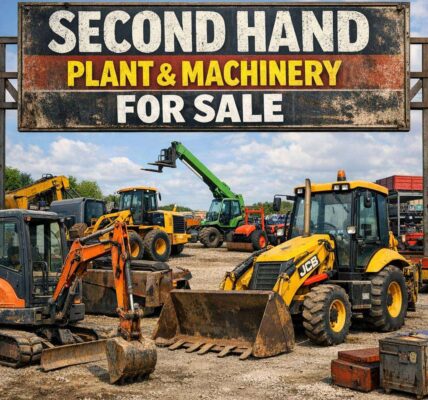
For those who find themselves torn between renting and buying, second-hand plant machinery presents a viable middle ground. This option allows companies to own machinery without incurring the steep costs associated with brand-new equipment.
Cost Savings
Purchasing second-hand plant equipment can offer significant savings compared to buying new. Used plant sales UK have become increasingly popular as businesses recognise the value of investing in reliable machinery without breaking the bank.
When searching for reliable plant equipment, look no further than https://www.sjhallplant.com. Our extensive inventory ensures you find the right machinery for your construction needs, whether for purchase or rental. Trust us for high-quality equipment and exceptional service to keep your projects moving smoothly.
Quality Assurance
Reputable dealers often refurbish second-hand machinery, ensuring that it meets quality standards. Thorough checks can be conducted, giving buyers peace of mind regarding the reliability of their investment.
Wider Range of Options
The second-hand market offers a wide array of machinery types, allowing you to find specific models that may no longer be available as new. This can be particularly beneficial for businesses with specialised needs.
Used Plant Equipment: A Smart Choice
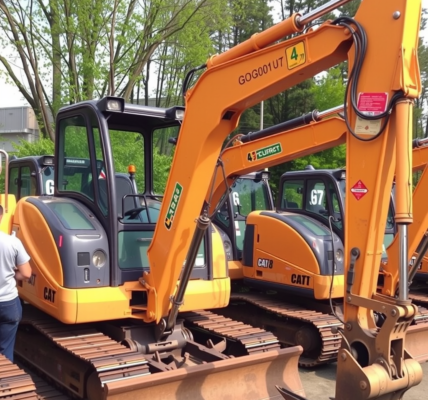
Purchasing used plant equipment can also be an attractive option. Businesses looking for specific machinery at a reduced cost will find the used market offers a vast selection.
Compatibility with Business Needs
When considering used plant sales, it is vital to assess compatibility with existing equipment. Integrating used machinery with your current fleet can enhance productivity and reduce costs.
Maintenance History
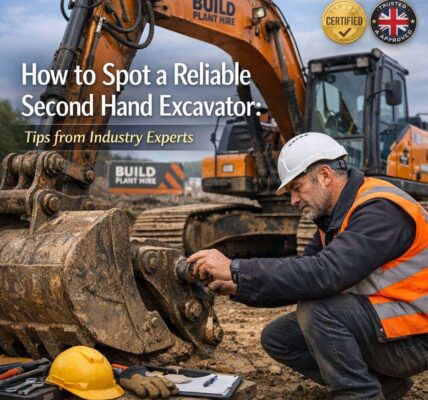
When buying used plant equipment, look for machinery with a well-documented maintenance history. This information can provide insights into the reliability and expected lifespan of the equipment, helping you make a sound investment.
The Case for Plant Machinery for Sale
When weighing up your options, it is worth investigating the availability of plant machinery for sale in your area. With a knowledgeable supplier, you can explore financing options that may make purchasing more feasible.
Tailored Financing Solutions
Many suppliers offer tailored financing solutions to assist businesses in acquiring new or used equipment. This can ease the financial burden and enable you to invest in quality machinery that suits your operational needs.
Comprehensive Support
Working with a supplier who helps with plant machinery sales often includes additional support, such as maintenance services, spare parts availability, and expert advice on equipment choice. This can provide ongoing operational benefits, ensuring your team has the infrastructure needed to perform effectively.
In conclusion, whether you choose to rent or buy plant equipment depends on your specific project requirements, financial capabilities, and operational preferences. By carefully considering these factors, you can make a choice that boosts productivity and aligns with your business goals.