
The Ultimate Guide to Choosing the Right Mini Digger for Your Project

When it comes to construction and landscaping, having the right machinery can make all the difference. Among the various options available, mini diggers are increasingly becoming a popular choice for many projects. Their compact size and versatility make them suitable for both residential and commercial jobs. However, choosing the right mini digger for your specific project can be a bit overwhelming, especially with so many options on the market. In this guide, we’ll help you navigate the process and ensure you select the perfect mini digger to meet your needs.
Understanding Mini Diggers
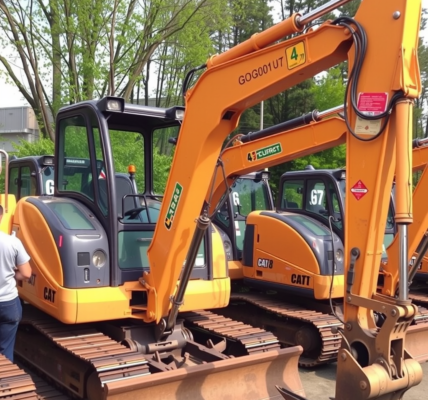
Mini diggers, often referred to as excavators, are smaller variants of traditional excavators. Designed for tasks that require digging, lifting, and moving earth, mini diggers provide the power and functionality needed for various projects while remaining compact enough to work in tight spaces. They typically range from 800 kg to around 5 tonnes, making them ideal for residential backyards, urban construction sites, or any location where space is limited.
Key Considerations When Choosing a Mini Digger
Size and Weight
One of the primary aspects to consider when selecting a mini digger is the size. Depending on your project, you may need a lighter model that’s suitable for smaller spaces, or a heavier version designed for more extensive work. Consider the weight of the mini digger in relation to the ground conditions of your site. For soft or uneven terrain, a lighter machine might be more appropriate to prevent sinking or damaging the ground.
Reach and Digging Depth
Another essential factor is the reach and digging depth of the mini digger. The reach refers to how far the arm can extend, while the digging depth indicates how deep the machine can dig. For projects such as landscaping or foundation digging, you’ll want to ensure the mini digger can achieve the necessary depth without any issues. Take the time to assess your project’s requirements and choose a model that meets these specifications.
Type of Work
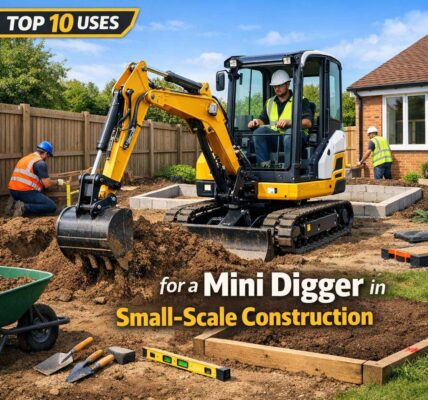
Mini diggers can be used for a broad range of tasks, from digging trenches to demolishing small structures. Consider the nature of your project when selecting a mini digger. If your work involves delicate tasks such as lifting and placing plants or performing precision digging, you may want a model with smoother controls and a more sensitive hydraulic system. On the other hand, if you’re tackling heavy earthmoving tasks, opt for a model that provides robust power and stable performance.
Hydraulic Power
The hydraulic system is the heart of any mini digger. It determines the machine’s capability to lift, dig, and move materials effectively. Assess the hydraulic power of the mini diggers you’re considering, as this plays a significant role in the machine’s performance on site. A powerful hydraulic system not only increases the efficiency of your work but also decreases the time required to complete your project.
FAQ Section: Mini Digger
What is a mini digger?
A mini digger, also known as a mini excavator, is a compact piece of plant machinery designed for digging and earthmoving tasks. It is typically smaller than standard excavators, making it ideal for tight spaces and small construction projects.
What are the primary uses of a mini digger?
Mini diggers are versatile and can be used for various applications, including:
- Digging trenches or foundations
- Landscaping and gardening
- Demolition work
- Lifting heavy materials
- Grading or leveling surfaces
How do I choose the right size of mini digger?
Choosing the right size depends on several factors such as the scope of your project, accessibility to work areas, load capacity required, and soil conditions. Generally, smaller models are suitable for residential projects while larger ones can handle heavier tasks in construction sites.
Do I need any special training to operate a mini digger?
While formal certification isn’t always required to operate a mini digger, it’s recommended that operators have some training or experience. Safety should always come first—understanding how to navigate the machinery can prevent accidents.
Can I rent a mini digger instead of buying one?
Yes! Renting a mini digger is an economical option if you need it for short-term projects. Many companies offer flexible rental agreements with varying durations based on your requirements.
What accessories are available for a mini digger?
Mini diggers can be equipped with various attachments to enhance their functionality. Common accessories include:
- Buckets (various sizes)
- Augers (for drilling holes)
- Hydraulic breakers (for demolition tasks)
- Rakes (for grading)
How much does it cost to rent or purchase a mini digger?
Rental prices vary based on location and demand but generally range from £100–£300 per day. The purchase price can range significantly depending on brand and features but typically lies between £10,000 to £50,000.
Is maintenance required when renting a mini digger?
Yes! Regular maintenance is critical even when renting equipment. Ensure that you check oil levels, inspect hydraulic systems before use; also adhere to any guidelines provided by the rental company regarding upkeep during your rental period.
Where can I find reliable rental services for mini diggers?
Look for local construction equipment rental companies online or check reviews from past customers. You may also contact manufacturers directly as they often have associated dealers who provide rentals alongside sales options.
New vs. Used Mini Diggers
When searching for mini diggers for sale, you’ll often come across options for both new and used mini diggers. Each has its own advantages and disadvantages.
New mini diggers typically come with the latest technology, warranties, and fewer maintenance concerns, making them an attractive option, especially for larger or ongoing projects. However, they come at a premium price.
On the other hand, used mini diggers can be an excellent way to save costs, particularly for smaller one-off projects. Just ensure you inspect the machinery thoroughly and, if possible, get a qualified technician to check its overall condition. Look for serviced records and maintenance history to ensure you’re getting a reliable machine.
Features and Attachments
Modern mini diggers come with various features and attachments that can enhance their capabilities. Consider what additional attachments you might need for your project, such as buckets, breakers, or augers. These attachments can help you optimise the digger’s use and make it more versatile for different tasks. Ensure that the model you choose can accommodate these attachments easily, saving you the hassle of compatibility issues down the line.
Looking for an efficient and versatile solution for your construction project? Our mini digger is perfect for narrow spaces, providing powerful performance without sacrificing mobility. Explore our range today to find the ideal fit!
Budgeting for Your Mini Digger
Before you make your final decision, it’s crucial to establish a budget. Consider not just the initial purchase or rental cost, but also the potential costs of maintenance, insurance, and any additional attachments you may require. Taking the time to budget accurately can help you avoid any unwelcome surprises and ensure you select a mini digger that provides the best value for your specific project.
Rental vs. Purchase
Deciding whether to rent or purchase a mini digger can also influence your decision. If your project is short-term or a one-off affair, renting may be the more cost-effective option. This way, you can access the latest models without the long-term financial commitment. Conversely, purchasing a mini digger can be a worthy investment for those who plan to undertake multiple projects over time, offering convenience and availability at your fingertips.
By considering these factors, you can confidently choose a mini digger that will help you get the job done efficiently and effectively, meeting all your project requirements. Happy digging!